
Ferrari Wasn’t Born as a Luxury Brand
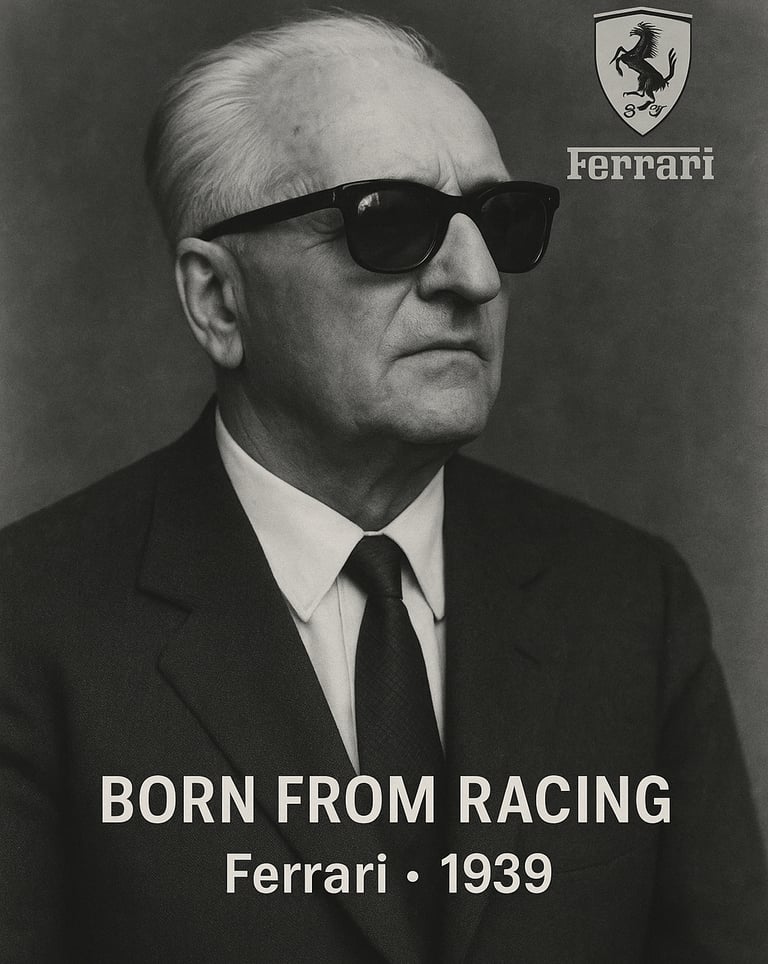
Today, Ferrari is synonymous with prestige, exclusivity, and some of the most desirable road cars ever built. Red supercars, limited production models, and multimillion-euro auctions define the brand’s modern identity. Yet Ferrari did not begin as a luxury manufacturer. Its origins were rooted in racing, competition engineering, and one man’s uncompromising obsession with speed: Enzo Ferrari.
The Racing Origins
Ferrari’s story began long before the first Ferrari road car existed. In the 1920s and 1930s, Enzo Ferrari worked with the Italian manufacturer Alfa Romeo, first as a racing driver and later as a team manager.
In 1929, Ferrari founded Scuderia Ferrari, originally as a racing team that prepared and ran Alfa Romeo race cars for private drivers. The focus was entirely on motorsport. Engineering decisions were guided by performance, durability, and speed not luxury or comfort.
Racing success quickly followed, and Scuderia Ferrari became one of the most respected racing teams in Europe.
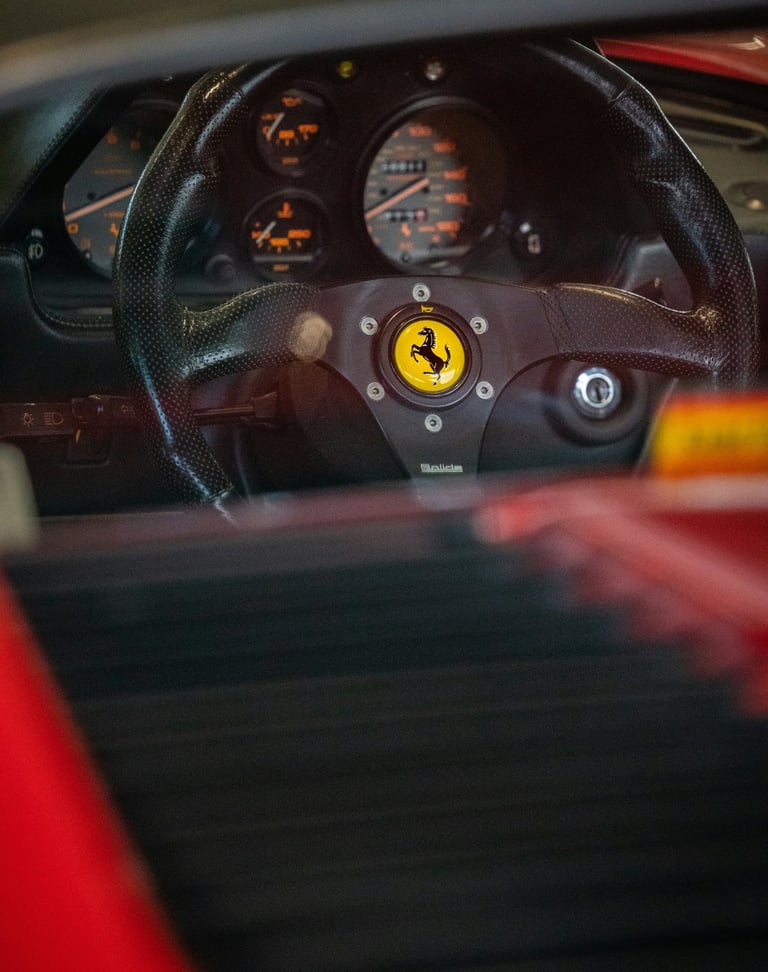
To understand Ferrari’s legacy, it is necessary to look beyond the modern image of luxury and examine how a racing team evolved into one of the most iconic automotive brands in the world.
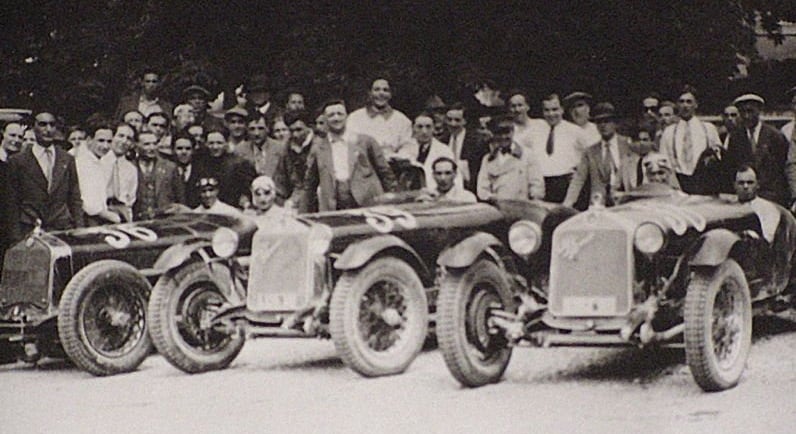
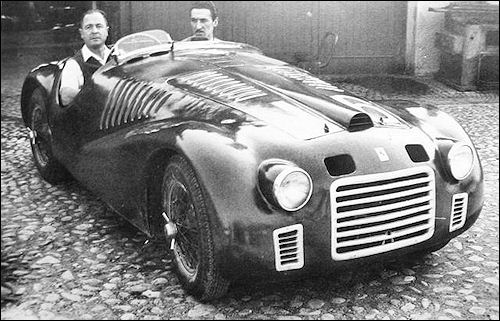
Scuderia Ferrari Alfa Romeo racing team, 1930s Source: Wikimedia Commons – Public Domain
The Birth of the Ferrari Car
After World War II, Enzo Ferrari decided to build cars under his own name. In 1947, the first true Ferrari automobile was introduced: the Ferrari 125 S.
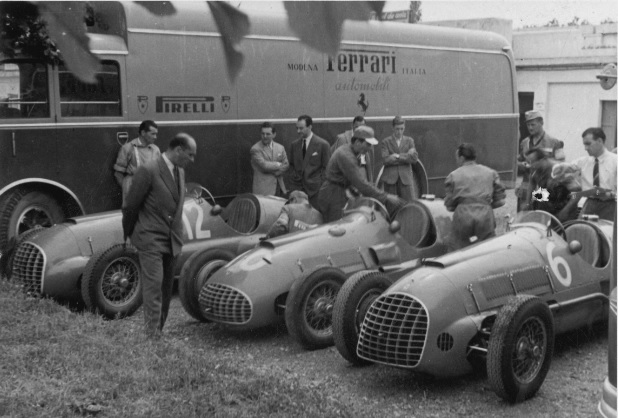
Scuderia Ferrari race cars at Monza, 1950 – Public Domain
Source: Wikimedia Commons


Racing Above Everything
Ferrari’s commitment to racing defined the brand’s engineering philosophy. When the Formula One championship began in 1950, Ferrari was there from the start.
Since then, Ferrari has remained the only team to compete in every Formula One season in history.
Victories, championships, and legendary drivers transformed Ferrari into more than a manufacturer. It became a symbol of competitive spirit and technical excellence.
Racing success also shaped the design of Ferrari road cars. Engines, aerodynamics, and performance technologies developed on the track eventually influenced production models.
From Racing Machines to Road Legends
During the 1950s and 1960s, Ferrari gradually began producing more road cars for private clients. These vehicles combined racing-derived engineering with increasingly sophisticated design and craftsmanship.
Models such as the Ferrari 250 GTO would eventually become some of the most valuable cars ever built.
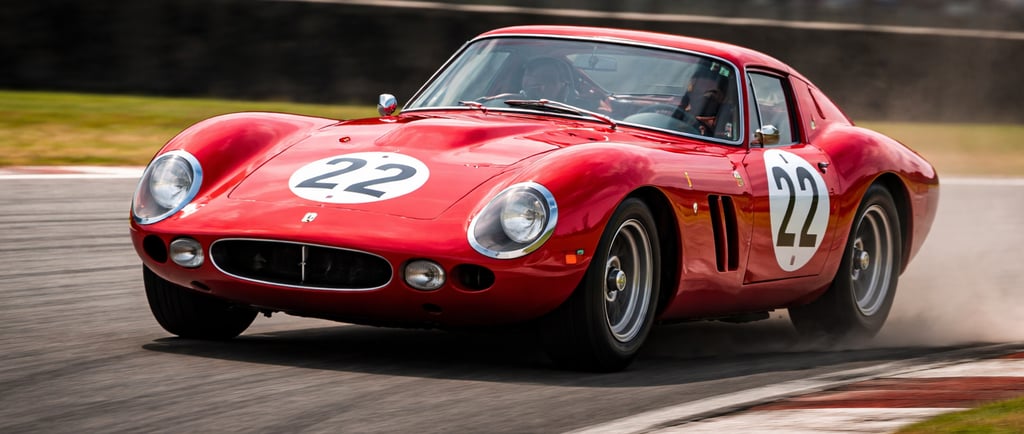
However, these cars were never designed as luxury products in the traditional sense. They were high-performance machines first. Luxury and exclusivity emerged naturally because production numbers were limited and demand was extraordinary.
The Evolution of a Luxury Icon
Over time, Ferrari’s image evolved. Wealthy collectors, global prestige, and limited production models gradually transformed the brand into a symbol of luxury.
Modern Ferrari vehicles combine extreme performance with high-end materials, advanced technology, and refined interiors. Yet beneath the leather and carbon fiber, the brand’s DNA remains unchanged.
Ferrari’s identity is still defined by racing, engineering ambition, and an uncompromising pursuit of performance.
Legacy
Ferrari did not begin as a luxury brand. It began as a racing team driven by the vision of Enzo Ferrari. Road cars were originally a means to fund competition, not the ultimate goal.
But through decades of motorsport success, engineering excellence, and iconic design, Ferrari evolved into something larger than a racing team or a manufacturer.
It became an automotive legend.
The 125 S was a small racing car powered by a 1.5-liter V12 engine designed by engineer Gioacchino Colombo. It was light, fast, and built purely for competition. Comfort, luxury materials, and refined interiors were secondary concerns.
Ferrari road cars existed for a practical reason: they financed the racing team.
Enzo Ferrari himself famously viewed road cars as a necessary business model to support his true passion motorsport.