How Porsche Was Born From Engineering, Not Luxury
Porsche did not begin as a car manufacturer. It began as an engineering philosophy one that would quietly reshape the automotive world.
Engineering before automobiles
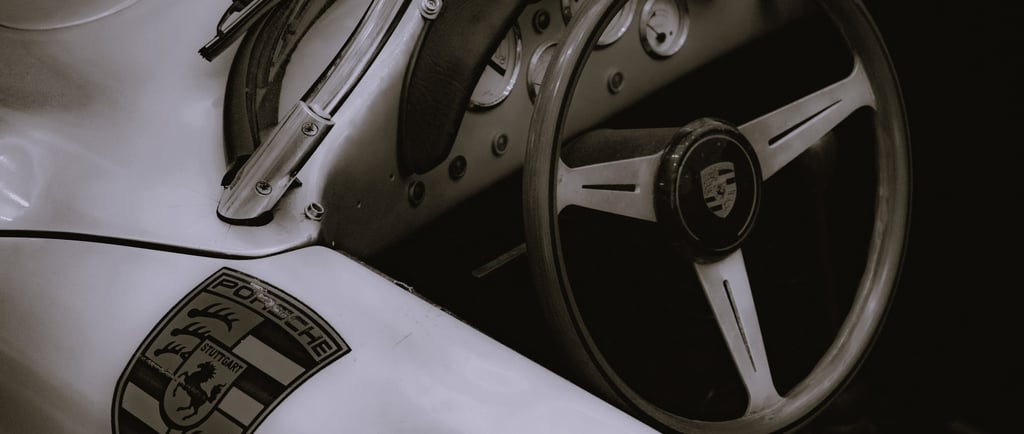
In 1931, Ferdinand Porsche founded his company in Stuttgart, Germany. At the time, Porsche did not build cars under its own name. Instead, the firm focused on engineering consultancy, developing technical solutions for other manufacturers. Efficiency, lightweight construction, and mechanical clarity were central ideas from the very beginning.
This focus on problem-solving, rather than branding or luxury, would later define everything Porsche became.
The first Porsche
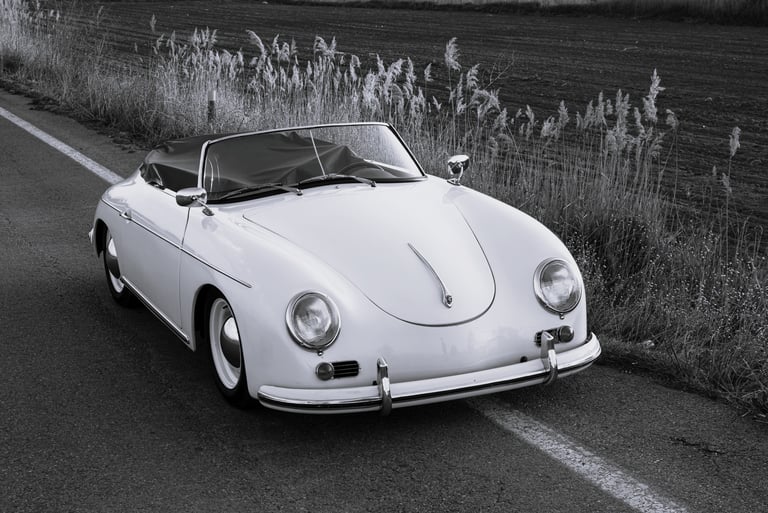
After World War II, the company took a decisive step. In 1948, the Porsche 356 was introduced, the first automobile to carry the Porsche name. It was compact, lightweight, and engineered with precision rather than excess power.
The 356 was not about status. It was about balance.
That balance quickly earned respect on both public roads and race tracks.
Motorsport as a testing ground
Racing was never marketing for Porsche. It was development. Motorsport exposed weaknesses, validated ideas, and refined engineering decisions. Each race contributed directly to better road cars.
This approach created a direct link between competition and everyday driving a principle that still defines the brand today.
A legacy built on philosophy
Over the decades, Porsche evolved into one of the most respected sports car manufacturers in the world. Yet the core idea never changed: form follows function, and engineering comes first.
Porsche’s legacy is not just speed or design.
It is the belief that intelligent engineering creates timeless machines.